

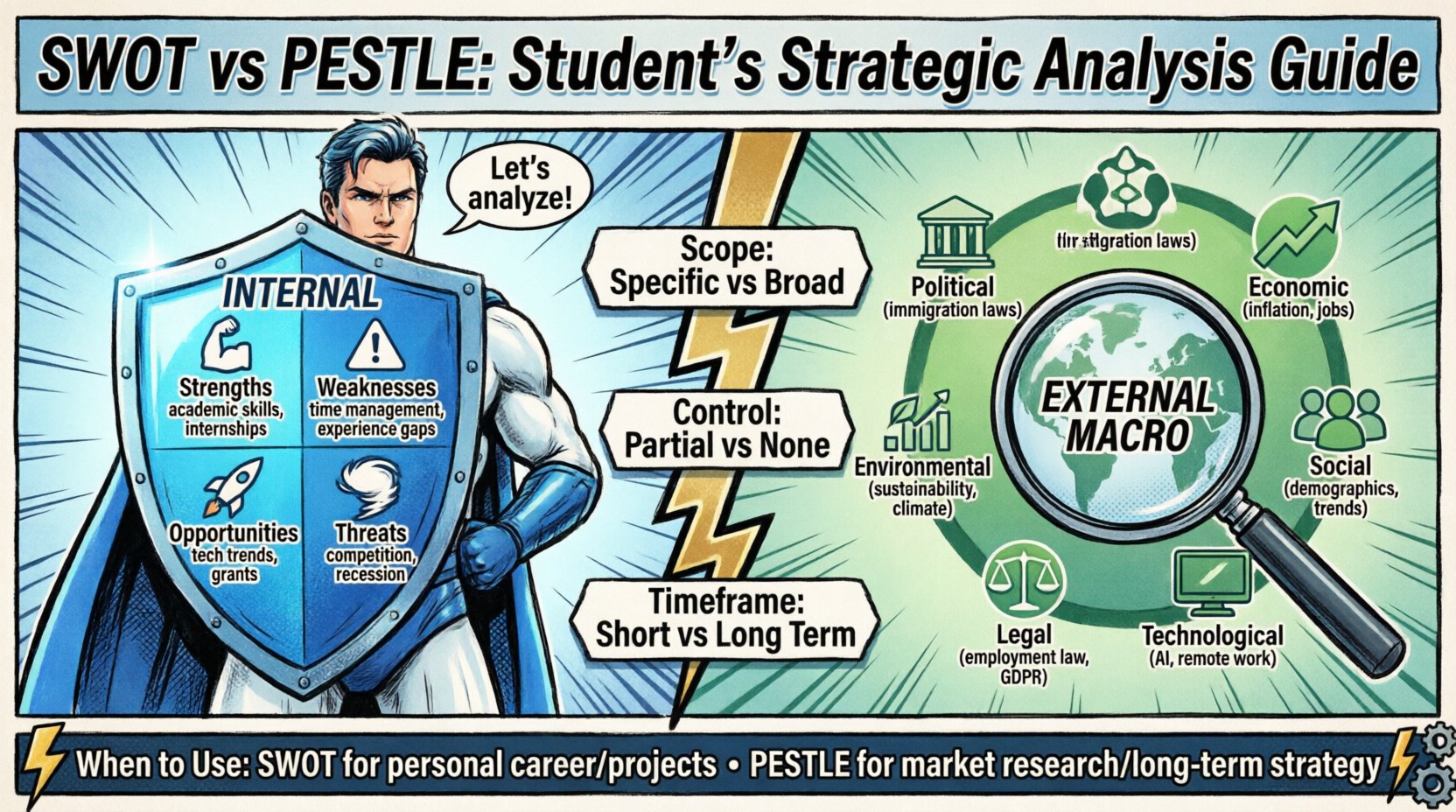
When pursuing higher education, especially in business, management, or strategic planning courses, students frequently encounter two dominant frameworks for analysis: SWOT and PESTLE. While both tools are designed to evaluate situations, they serve distinct purposes and operate on different scopes. Understanding the difference is critical for academic success and future career readiness. This guide breaks down the mechanics of each framework, offering clear distinctions and practical applications tailored to student needs.
Understanding the Core Purpose 🧠
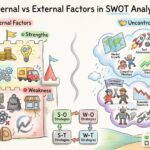
Strategic thinking is not just for executives in boardrooms. Students use these frameworks to assess university projects, plan career paths, and understand market dynamics. The primary difference lies in the focus of the analysis:
- SWOT Analysis focuses on internal factors within your control or immediate environment.
- PESTLE Analysis focuses on external macro-environmental factors that influence your organization or situation.
Confusion often arises because both are used for strategic planning. However, mixing them up can lead to inaccurate data and flawed conclusions. Let us examine each framework in detail.
Deep Dive: SWOT Analysis 🔍
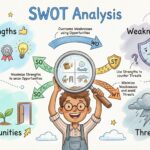
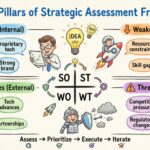
SWOT stands for Strengths, Weaknesses, Opportunities, and Threats. It is a foundational tool used to evaluate the current state of a project, a person, or a business entity.
1. Strengths (Internal) 💪
These are attributes that are helpful to achieving the objective. For a student, this could mean:
- Strong academic performance in specific subjects.
- Previous internship experience in the relevant field.
- Access to a supportive mentor or network.
- Technical skills (e.g., coding, data analysis).
2. Weaknesses (Internal) ⚠️
These are attributes that are harmful to achieving the objective. Students often struggle to identify these honestly, but they are vital for growth.
- Limited time management skills.
- Lack of practical experience in the industry.
- Public speaking anxiety.
- Insufficient budget for a student startup.
3. Opportunities (External) 🚀
These are elements in the external environment that the project or student could exploit to their advantage. Note that while Opportunities are external, they are often addressed using internal Strengths.
- Growth in the renewable energy sector.
- New government grants for student entrepreneurs.
- Emergence of new technologies (AI, Blockchain).
- Networking events hosted by alumni.
4. Threats (External) 🌪️
These are elements in the external environment that could cause trouble for the project or career. These are often addressed using internal Weaknesses.
- Increasing competition for internships.
- Economic recession affecting hiring.
- Rapid changes in curriculum or degree requirements.
- Technological obsolescence of specific skills.
Deep Dive: PESTLE Analysis 🌍
PESTLE stands for Political, Economic, Social, Technological, Legal, and Environmental. This framework is macroscopic. It looks at the big picture forces that affect the environment in which a student or business operates.
1. Political Factors 🏛️
These relate to government intervention and policies. For a student considering a career, this includes:
- Immigration laws affecting international work.
- Political stability of a target country.
- Tax policies regarding student loans or income.
- Trade regulations if studying abroad.
2. Economic Factors 📈
These affect the purchasing power of potential customers and the cost of capital. Key considerations include:
- Inflation rates impacting living costs.
- Interest rates on loans.
- Unemployment rates in the target industry.
- Economic growth trends.
3. Social Factors 👥
These involve the cultural aspects of the environment. Students must consider:
- Demographic shifts (aging population, youth bulge).
- Lifestyle changes and consumer trends.
- Health consciousness trends.
- Work-life balance expectations of employers.
4. Technological Factors 💻
This covers innovations that create new opportunities or threats.
- Automation and AI replacing entry-level jobs.
- Remote work technologies.
- Access to online learning platforms.
- Cybersecurity risks.
5. Legal Factors ⚖️
These relate to the law and regulation. Important points include:
- Employment laws (minimum wage, contracts).
- Health and safety regulations.
- Intellectual property rights.
- Data protection laws (GDPR).
6. Environmental Factors 🌱
These relate to ecological and environmental aspects.
- Climate change impact on industries.
- Sustainability regulations.
- Carbon footprint requirements.
- Availability of natural resources.
Key Differences at a Glance 📋
Visualizing the contrast helps in selecting the right tool for the assignment. Below is a structured comparison to clarify the distinctions.
| Feature | SWOT Analysis | PESTLE Analysis |
|---|---|---|
| Focus | Internal and External | External (Macro) |
| Scope | Specific (Individual, Team, Project) | Broad (Market, Industry, Country) |
| Timeframe | Short to Medium Term | Long Term |
| Control | Partial Control (Strengths/Weaknesses) | No Control (External Forces) |
| Primary Use | Competitive Advantage, Personal Growth | Strategic Planning, Market Entry |
| Components | S, W, O, T | P, E, S, T, L, E |
When to Use Which Framework? 🤔
Selecting the wrong tool can waste time and produce irrelevant data. Here is how students should decide based on their academic or personal goals.
Choose SWOT When:
- Personal Career Planning: You need to assess your own skills and readiness for the job market.
- Group Projects: You are analyzing a specific company’s position against competitors.
- Startup Ideas: You are evaluating the viability of a specific student business venture.
- Self-Reflection: Preparing for interviews to discuss strengths and weaknesses.
Choose PESTLE When:
- Market Research: You are entering a new industry or launching a product globally.
- Policy Analysis: You are studying the impact of government regulations on business.
- Long-Term Strategy: You need to understand trends that will affect the industry over the next 5-10 years.
- Feasibility Studies: Determining if an idea is viable given the current economic climate.
Step-by-Step Execution Guide 📝
Conducting these analyses does not require specialized software. You can achieve high-quality results using basic tools like paper, whiteboards, or standard document editors. Follow this process.
Phase 1: Preparation
- Define the Objective: Clearly state what you are analyzing. Is it a specific company? A degree choice? A personal career goal?
- Gather Data: Collect relevant information. This includes academic research, industry reports, personal notes, and feedback from peers.
- Assemble the Team: If this is a group assignment, ensure all members understand the framework before starting.
Phase 2: Brainstorming (No Filters)
- SWOT: List every possible Strength, Weakness, Opportunity, and Threat. Do not judge validity yet.
- PESTLE: Go through each letter. Ask questions like, “How does inflation affect this?” or “What new laws are pending?”
- Use Sticky Notes: If working physically, write ideas on separate notes. This allows for easy reorganization later.
Phase 3: Prioritization
- Categorize: Move ideas into the correct quadrants.
- Rank: Identify the top 3 most critical points in each category. Not all factors are equal.
- Validate: Check if your points are factual or based on assumptions. Remove assumptions.
Phase 4: Synthesis and Action
- Connect the Dots: How do your Strengths help seize Opportunities? How do Weaknesses expose you to Threats?
- Develop Strategies: Create actionable steps based on the analysis.
- Review: Revisit the analysis after a set period to see if external factors (PESTLE) have shifted.
Common Mistakes to Avoid 🚫
Even experienced analysts make errors. Students should be wary of these common pitfalls to ensure their work meets academic standards.
1. Confusing Internal with External
A frequent error is listing “Inflation” under SWOT Opportunities. Inflation is an external economic factor (PESTLE). It should only appear in SWOT if you are specifically discussing how the company manages inflation internally.
2. Vague Statements
Writing “Good reputation” as a Strength is too general. Instead, specify “High brand recognition among Gen Z consumers based on recent survey data.”
3. Ignoring the Interplay
SWOT and PESTLE are not isolated. External threats (PESTLE) often turn into internal Weaknesses (SWOT) if not managed. Always look for connections between the two frameworks.
4. Overlooking Legal Factors
In PESTLE, the Legal section is often skipped. For students in business or law, this is critical. Employment law and IP rights can make or break a business case.
5. Static Analysis
Business environments change. A SWOT analysis completed in September might be obsolete by December. Treat these as living documents that require updates.
Integrating Both Frameworks 🔄
Advanced strategic planning often requires using both tools together. This provides a 360-degree view of the situation.
- Start with PESTLE: Use this to understand the macro environment. Identify the external risks and opportunities.
- Move to SWOT: Use the PESTLE findings to inform the Opportunities and Threats quadrants of your SWOT.
- Align Strengths: Determine which internal strengths are best suited to capitalize on the external opportunities identified in the PESTLE.
- Address Weaknesses: Identify which internal weaknesses make the organization vulnerable to the external threats.
This combined approach is highly effective for final year business projects or capstone assignments where a comprehensive strategic view is required.
Real-World Application for Students 💼
How does this translate to life after graduation? Employers value candidates who can think strategically.
- Job Applications: Use SWOT to tailor your CV. Highlight strengths that match the job description.
- Internships: Use PESTLE to understand the company’s industry challenges before the interview. Mentioning industry trends shows foresight.
- Networking: Understand the economic and social factors affecting your target industry to have informed conversations.
- Entrepreneurship: If launching a business, PESTLE helps identify regulatory hurdles, while SWOT helps assess your team’s capability.
Final Thoughts on Strategic Frameworks 🎓
Mastering the distinction between SWOT and PESTLE analysis equips students with a robust toolkit for decision-making. Whether analyzing a case study in class or planning a career trajectory, understanding internal capabilities versus external forces is fundamental. By applying these frameworks rigorously and avoiding common errors, students can produce high-quality work that demonstrates critical thinking.
Remember, the goal is not just to fill out a template but to derive actionable insights. Use these tools to clarify your thinking, challenge assumptions, and prepare for the complexities of the professional world. The skills developed here extend far beyond the university classroom, forming the basis of effective leadership and strategic management.