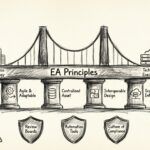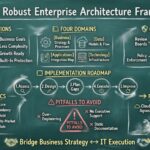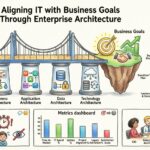


Enterprise architecture (EA) serves as the bridge between business strategy and technology execution. However, a robust architecture cannot exist without a deliberate strategic plan. This document outlines the core methodologies and frameworks required to develop a comprehensive strategic plan tailored for enterprise architects. The focus remains on aligning technical capabilities with organizational goals, ensuring long-term sustainability, and managing complexity without relying on specific software tools.
Understanding the Strategic Context 📊
Before drafting any diagrams or roadmaps, an enterprise architect must understand the environment in which the organization operates. Strategic planning begins with context. This involves analyzing market trends, regulatory requirements, and internal business drivers.
- Business Drivers: What are the primary goals of the executive team? Is the focus on cost reduction, market expansion, or innovation?
- Operational Environment: What legacy systems are in place? How is the current infrastructure supporting daily operations?
- External Factors: Consider competitor actions, technological shifts, and economic conditions that could impact the enterprise.
Without this foundation, architectural decisions risk becoming isolated technical exercises rather than strategic enablers. The architect must act as a translator, converting business needs into technical requirements and vice versa.
Defining Vision and Principles 🎯
A clear vision guides decision-making when trade-offs are necessary. Principles act as guardrails, ensuring that every architectural decision aligns with the broader organizational intent.
1. The Architectural Vision
The vision statement should be concise and forward-looking. It describes the desired state of the enterprise’s technology landscape in the future. This is not merely about technology; it is about how technology enables the business.
- Clarity: Stakeholders must understand the vision without needing technical jargon.
- Alignment: The vision must support the overarching business strategy.
- Adaptability: The vision should remain stable enough to provide direction but flexible enough to accommodate change.
2. Core Architectural Principles
Principles define the boundaries and standards for architecture. They help prevent scope creep and ensure consistency across different departments.
- Reusability: Assets should be shared where possible to reduce redundancy.
- Standardization: Adopting common standards reduces integration costs and complexity.
- Security: Security must be integrated into the design, not added as an afterthought.
- Interoperability: Systems must be able to communicate effectively with one another.
The Planning Process: From Assessment to Roadmap 🚀
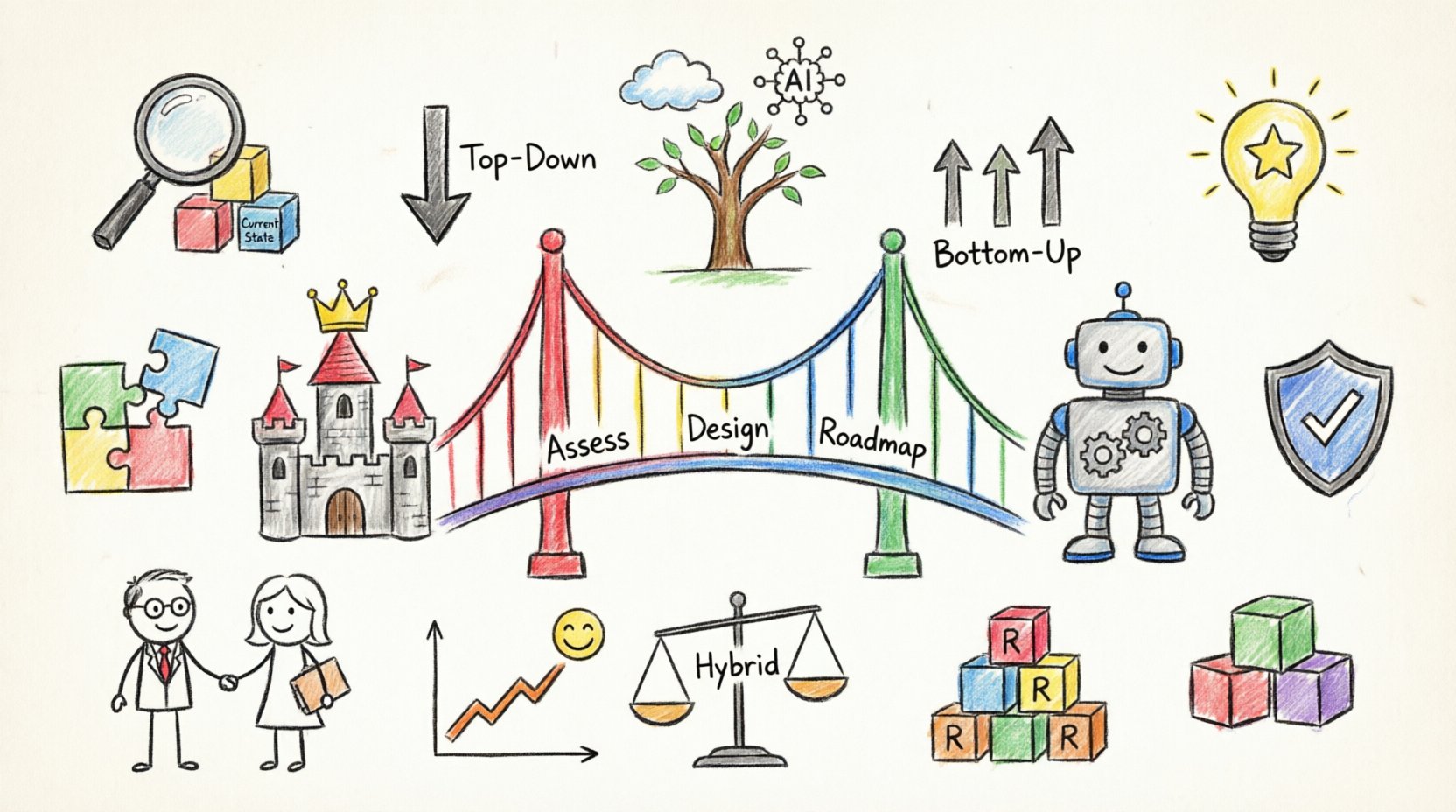
Developing a strategic plan involves a structured progression from understanding the current state to defining the future state. This process is iterative and requires continuous feedback.
Phase 1: Current State Assessment
A thorough assessment of the existing architecture is critical. This phase identifies gaps, redundancies, and technical debt.
- Inventory Creation: Catalog all applications, data stores, and infrastructure components.
- Gap Analysis: Compare current capabilities against future requirements.
- Risk Identification: Highlight areas of high risk, such as unsupported software or single points of failure.
Phase 2: Future State Design
Based on the assessment, architects design the target architecture. This involves defining new capabilities and retiring obsolete ones.
- Capability Modeling: Define what the organization needs to do, not just what software it needs.
- Integration Patterns: Design how systems will connect to ensure data flow and process continuity.
- Technology Selection: Evaluate technologies based on fit, cost, and long-term viability.
Phase 3: Roadmap Development
The roadmap translates the design into actionable steps. It sequences initiatives to maximize value and minimize disruption.
- Phasing: Break the transition into manageable waves or milestones.
- Resource Allocation: Estimate the budget, personnel, and time required for each phase.
- Milestones: Define clear checkpoints to measure progress and validate assumptions.
Aligning Business Goals with Technical Capabilities 🤝
The success of strategic planning depends on the degree of alignment between business objectives and technical execution. Misalignment often leads to wasted investment and frustrated stakeholders.
1. Value Stream Mapping
Value stream mapping helps identify where technology adds value. By tracing the flow of information and products, architects can pinpoint inefficiencies.
- Identify Steps: Map out the steps a customer takes to receive a service.
- Locate Bottlenecks: Find where delays or errors occur due to technical limitations.
- Optimize: Propose architectural changes to streamline these specific areas.
2. Investment Prioritization
Resources are finite. Prioritization ensures that funds are directed toward initiatives that offer the highest return.
- Strategic Fit: Does this initiative move us closer to our goals?
- Cost-Benefit Analysis: Weigh the cost of implementation against the expected benefits.
- Urgency: Does this need to be done immediately to avoid risk?
Governance and Compliance Frameworks 🛡️
Without governance, architectural plans often drift from their intended path. Governance provides the structure for decision-making and ensures adherence to standards.
1. Decision Rights
Clear decision rights prevent bottlenecks. Teams must know who has the authority to approve or reject specific architectural changes.
- Architecture Review Boards: Establish a group responsible for reviewing major initiatives.
- Escalation Paths: Define how disputes are resolved when consensus is not reached.
- Delegation: Allow teams to make decisions within defined boundaries to speed up delivery.
2. Compliance and Standards
Organizations must adhere to internal policies and external regulations. Compliance is a mandatory component of the strategic plan.
- Regulatory Requirements: Ensure data privacy and security standards are met.
- Internal Policies: Enforce coding standards, naming conventions, and deployment procedures.
- Auditing: Regular audits verify that the architecture remains compliant over time.
Measuring Success and KPIs 📈
How do you know if the strategic plan is working? Key Performance Indicators (KPIs) provide the metrics needed to evaluate progress.
- Adoption Rates: How quickly are new architectures being adopted by development teams?
- Cost Efficiency: Are maintenance costs decreasing as planned?
- Time to Market: Is the organization releasing products faster?
- System Availability: Is uptime meeting the required service levels?
Regular reviews of these metrics allow architects to adjust the strategy if the results do not match expectations.
Challenges in Modern Strategic Planning ⏳
While the process is structured, several challenges can impede progress. Acknowledging these risks early allows for better mitigation strategies.
1. Legacy Debt
Legacy systems often represent a significant portion of the IT landscape. Refactoring or retiring them can be costly and risky.
- Strategy: Prioritize modernization of high-risk or high-maintenance legacy systems.
- Isolation: Use wrappers or APIs to isolate legacy components from new systems.
2. Speed vs. Stability
Business units often demand rapid deployment, while architecture demands stability and thorough planning.
- Agile Alignment: Integrate architectural reviews into agile sprints.
- Self-Service: Provide platforms that allow developers to build within safe guardrails.
3. Organizational Silos
Departments often operate independently, leading to duplicate efforts and incompatible systems.
- Communication: Foster cross-functional collaboration through regular forums.
- Shared Services: Create central teams responsible for common capabilities.
Future-Proofing the Enterprise 🧩
Technology evolves rapidly. A strategic plan must account for future shifts to remain relevant.
- Scalability: Ensure the architecture can handle growth without fundamental redesign.
- Flexibility: Design systems that can be easily modified as requirements change.
- Emerging Trends: Monitor developments in areas like artificial intelligence, cloud computing, and edge processing.
By anticipating change, architects can guide the organization through transitions smoothly, minimizing disruption.
Comparison of Planning Approaches 📊
| Approach | Description | Best For | Risk Level |
|---|---|---|---|
| Top-Down | Driven by executive vision and high-level goals. | Large, established enterprises with clear direction. | Medium |
| Bottom-Up | Driven by technical teams and operational needs. | Organizations focusing on rapid innovation or fixing specific issues. | High |
| Mixed/Hybrid | Combines executive strategy with technical reality. | Most organizations seeking balance between vision and execution. | Low |
Key Stakeholders and Interests 🤝
| Stakeholder | Primary Interest | Architect’s Role |
|---|---|---|
| CEO / Executive Team | Business growth, profitability, and risk management. | Translate technical strategy into business value. |
| CTO / IT Leadership | Infrastructure stability, innovation, and cost control. | Ensure technical feasibility and resource availability. |
| Business Unit Heads | Operational efficiency and feature delivery. | Align technology with specific departmental needs. |
| Developers | Tooling, frameworks, and ease of development. | Provide clear standards and reusable components. |
Implementation Guidelines 🛠️
Once the strategy is defined, execution becomes the priority. The following guidelines ensure successful implementation.
- Communication: Regularly update all stakeholders on progress and changes.
- Training: Ensure teams understand the new standards and processes.
- Pilot Programs: Test major changes in a controlled environment before full rollout.
- Feedback Loops: Establish channels for teams to report issues or suggest improvements.
Strategic planning is not a one-time event. It is a continuous cycle of assessment, planning, execution, and review. By maintaining this discipline, enterprise architects can ensure that technology remains a strategic asset rather than a hindrance.
Risk Management Strategies 🛡️
Risks are inherent in any large-scale transformation. A robust plan includes specific strategies to manage these risks.
- Identification: Regularly scan for technical, operational, and business risks.
- Assessment: Evaluate the likelihood and impact of each identified risk.
- Mitigation: Develop plans to reduce the probability or impact of risks.
- Monitoring: Continuously track risk indicators throughout the project lifecycle.
Proactive risk management prevents surprises and allows the organization to respond quickly to emerging threats.
Final Considerations for Long-Term Success ✅
Sustaining a successful architecture strategy requires commitment from all levels of the organization. It demands patience, as the benefits of architectural rigor often take time to materialize.
- Patience: Accept that foundational work takes time before visible returns appear.
- Consistency: Apply principles consistently to avoid fragmentation.
- Evolution: Be willing to adapt the plan as the business environment changes.
By adhering to these guidelines, enterprise architects can build a resilient foundation that supports the organization through growth and change. The goal is not perfection, but continuous improvement and alignment with business value.